Sinotech Engineering Consultants, Inc., commissioned by the Tainan City Environmental Protection Bureau (EPB), is implementing the “Tainan City Yongkang Waste Resource Recycling (Incineration) Plant Renovation and Operation Preliminary Planning Plan.”
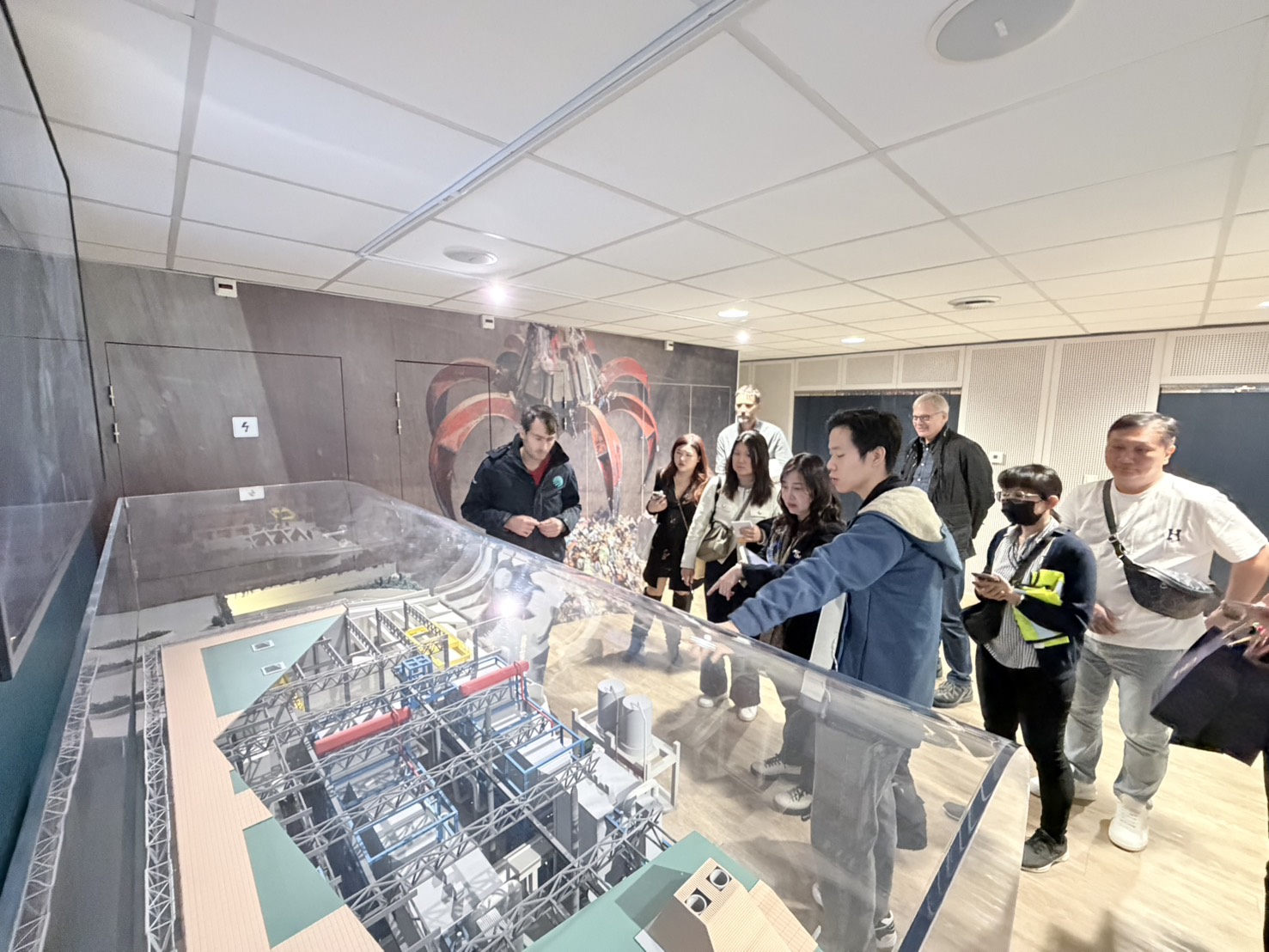
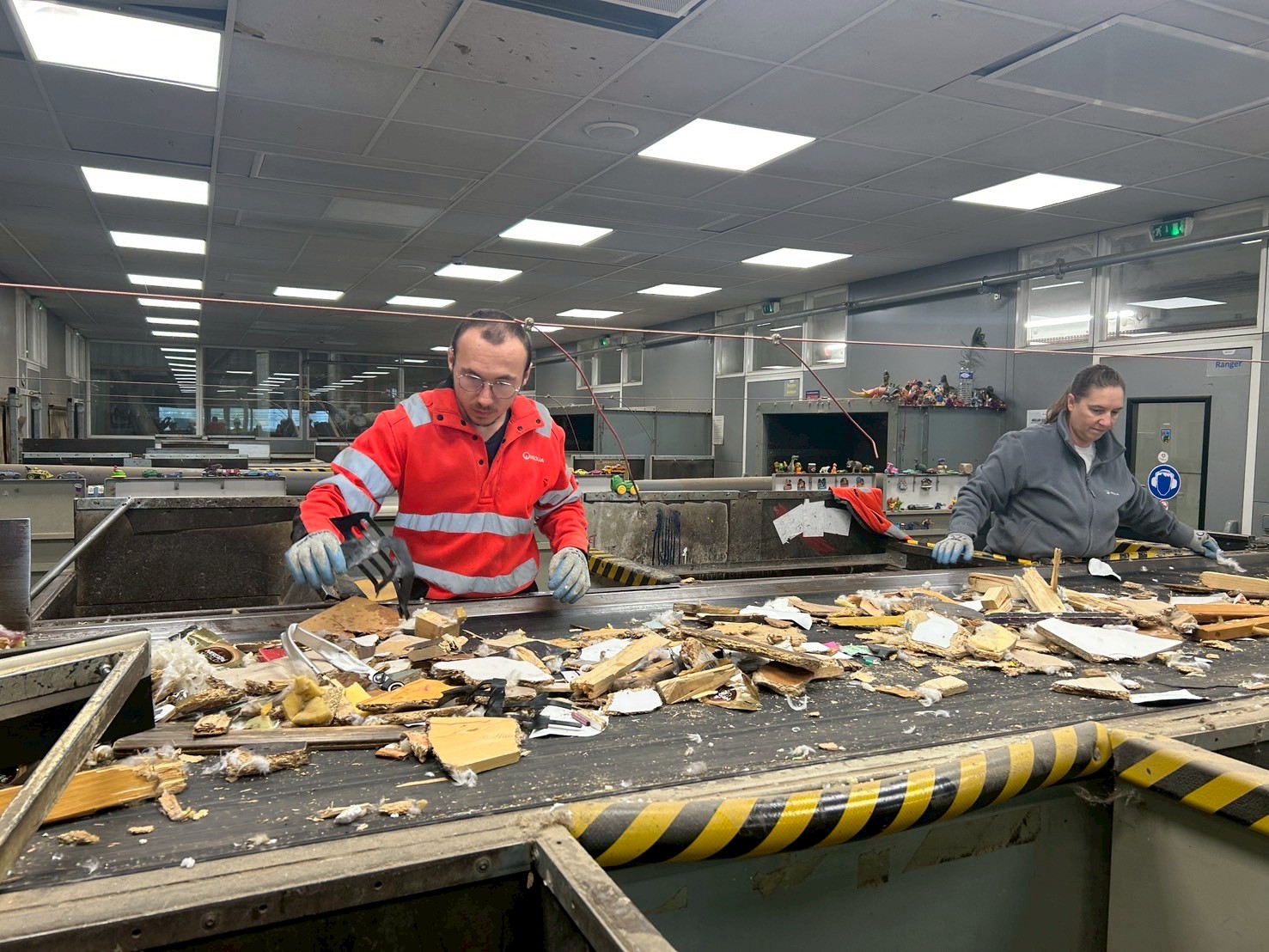
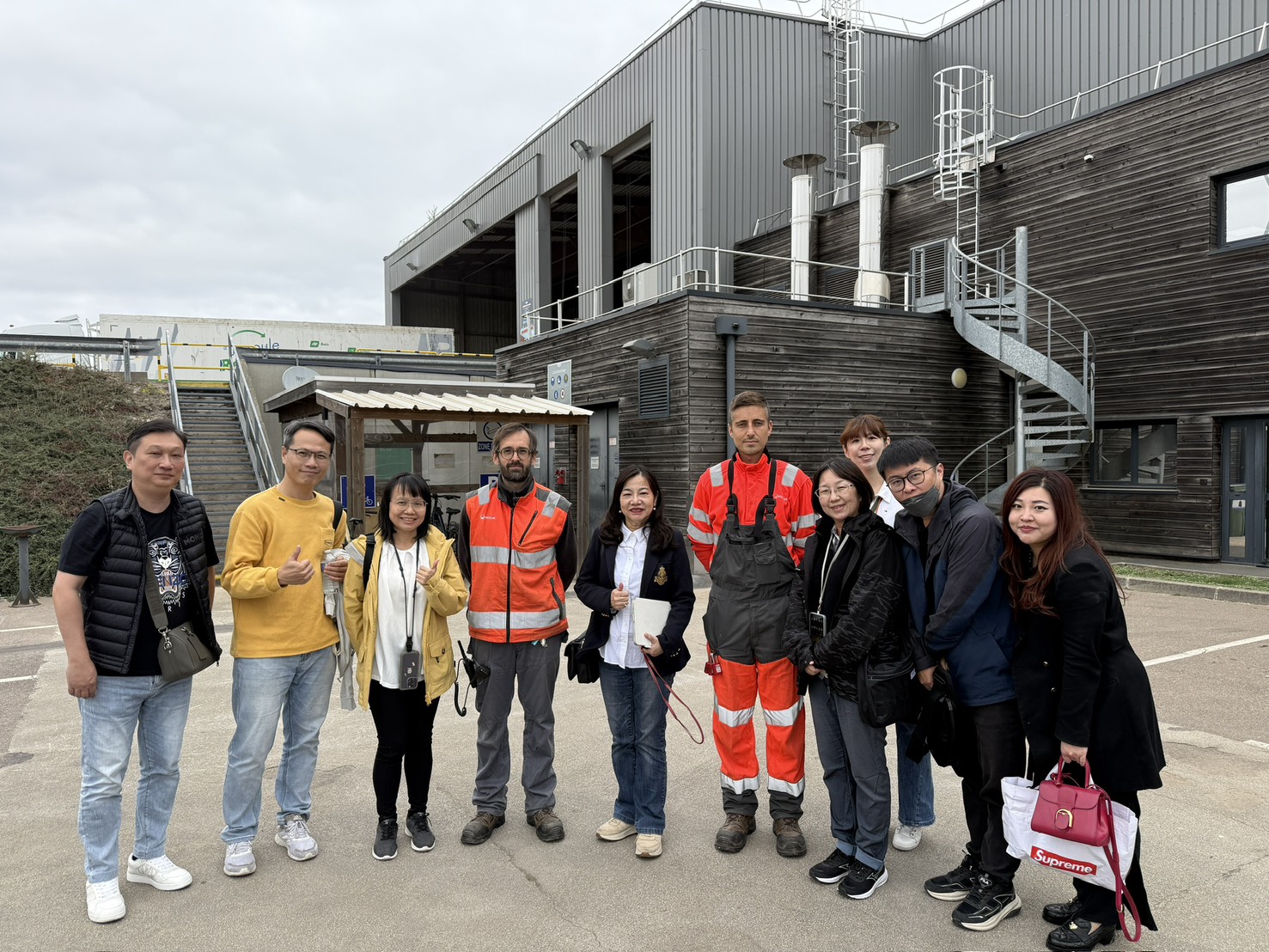
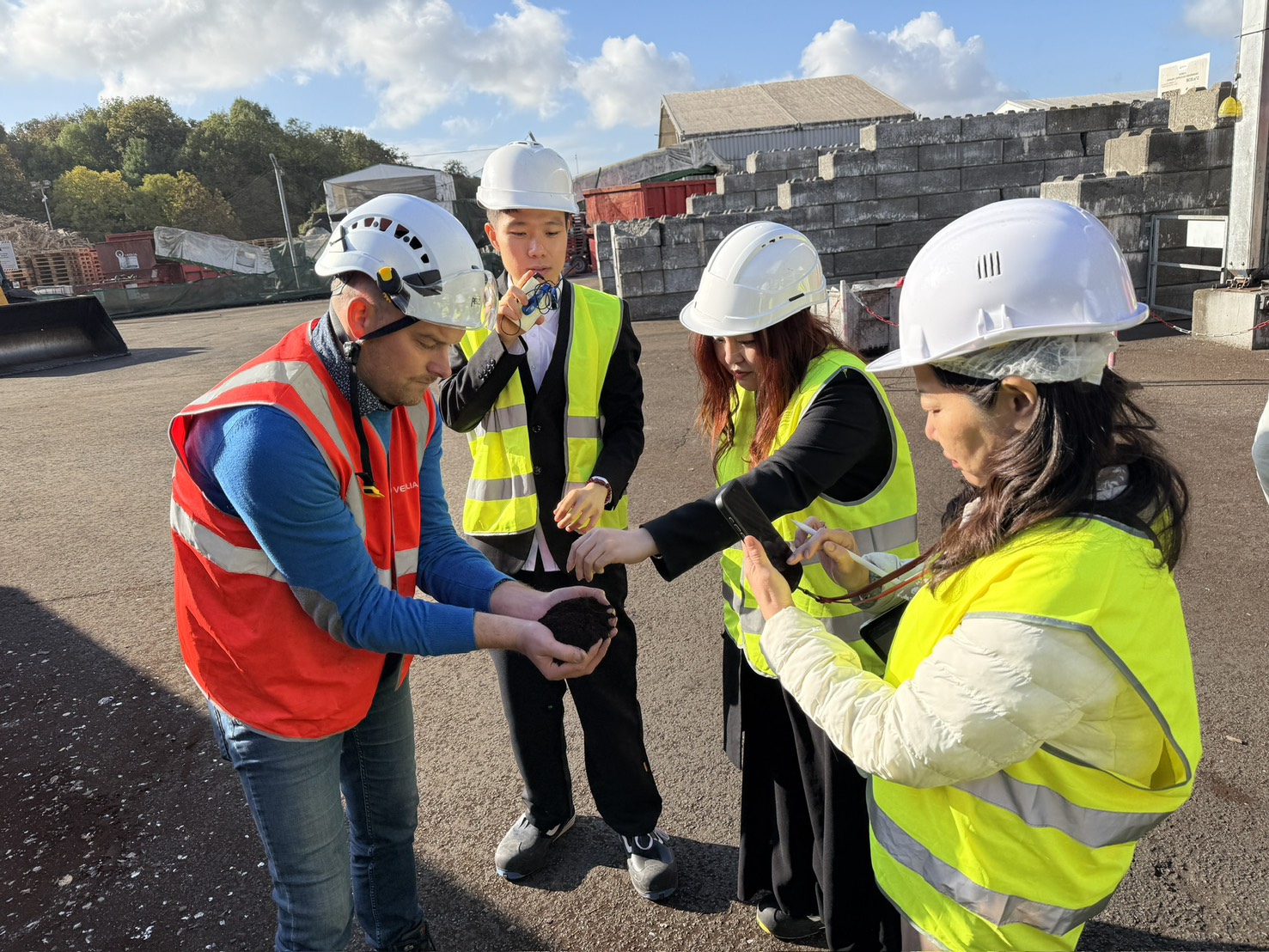
Under this program, in October 2025, the company assigned Mr. Lin Wei-Chou, Assistant Manager of the Energy and Resource Facilities Department, and Ms. Chiu Pin-Jing, Engineer, to accompany TNEPB staff to France in support of the “European Study Mission on Waste Management Policies and Advanced Technologies.”During this mission, the delegation visited waste-to-energy incineration plants, material recovery facilities (MRFs), facilities converting tree branches and discarded furniture into solid recovered fuel (SRF), food waste biological treatment centers, as well as community-based resource recovery and urban regeneration initiatives.
The primary focus of this mission was the site visits to three major waste-to-energy incineration plants in France: Bègles, Isséane, and Vaux-le-Pénil. These facilities illustrate how French incineration infrastructure has evolved from serving merely as end-of-pipe treatment facilities into integrated components of urban public services and energy infrastructure.
On the one hand, incineration remains the core treatment capacity for major metropolitan areas. However, its policy positioning is clearly defined as the treatment of residual waste following high-efficiency waste sorting and recycling. On the other hand, energy recovery is closely integrated with regional district heating systems. During peak winter demand, a significant proportion of Paris’s district heating supply is supported by waste-to-energy plants, enabling incineration facilities to serve the dual functions of waste treatment and essential energy supply for urban communities.In addition, all facilities have adopted the European Union’s 2019 BAT-AEL standards as the minimum benchmark, continuously strengthening air pollution control and monitoring measures. These include dry acid gas treatment systems, baghouse filtration, selective catalytic reduction (SCR), and continuous mercury monitoring. Through long-term contractual arrangements and life-cycle maintenance strategies, the plants ensure uninterrupted operation and stable emissions performance.
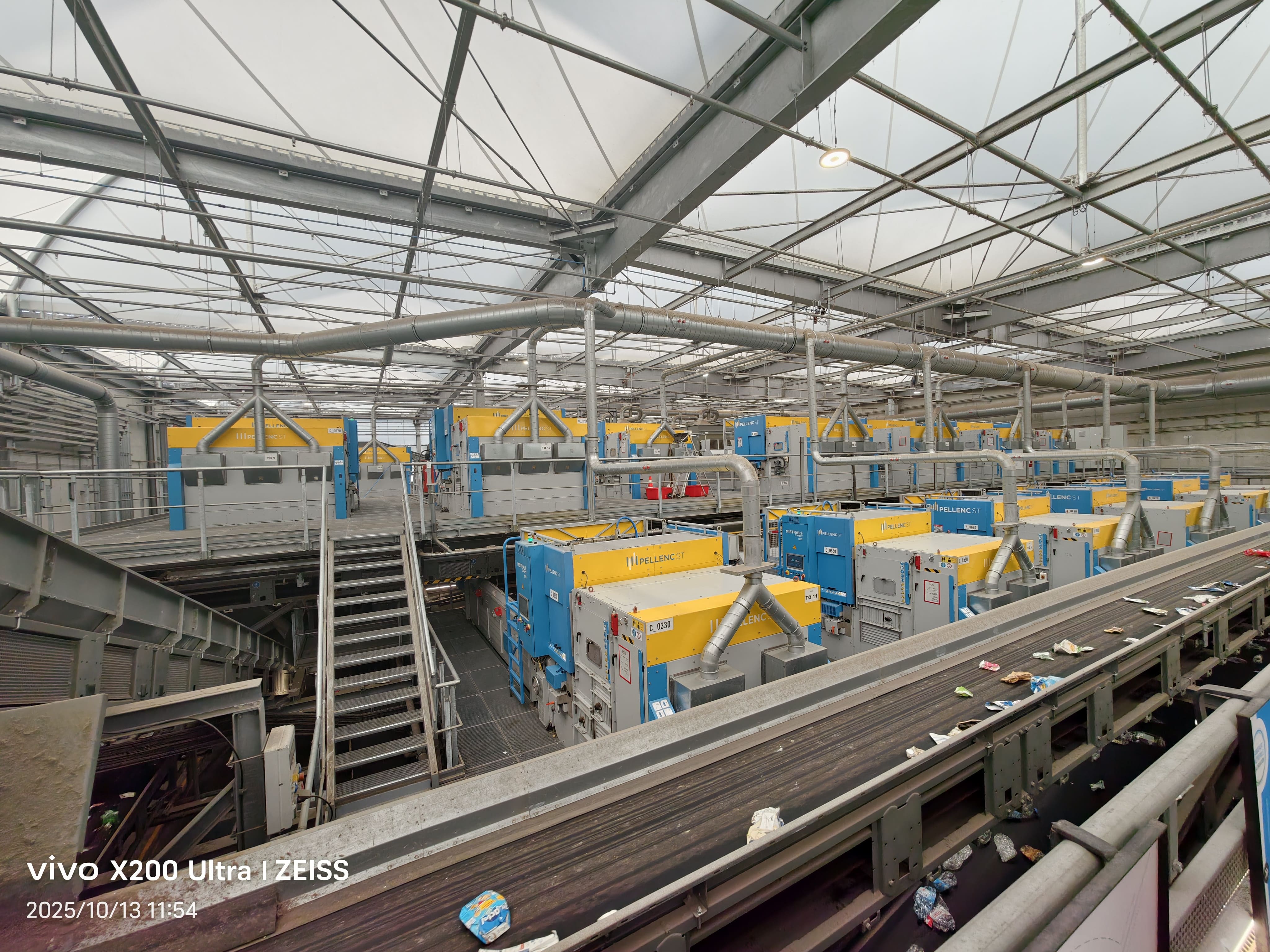
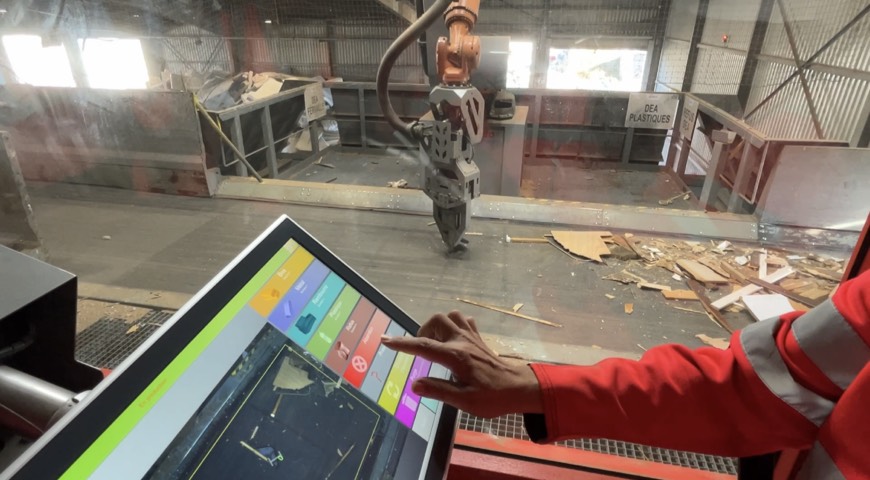
In terms of resource recovery, the Bègles Circular Economy Park integrates waste-to-energy incineration with a material recovery facility (MRF), utilizing automation and AI-based sorting technologies to enhance recycling quality.The Oissel Solid Recovered Fuel (SRF) plant converts high-calorific residual waste into alternative fuel through a localized supply-demand chain and stringent quality control standards.Meanwhile, the Biodéchets-Valopôle biological treatment center processes source-separated food waste through anaerobic digestion and composting, effectively reducing the burden on incineration facilities.
In addition to supporting the smooth execution of the study mission, our team gained valuable insights from the site visits that provide important strategic implications for the renovation planning of the Tainan Yongkang Plant.In particular, the observations contribute to strengthening energy integration, enhancing environmental emission standards, and promoting upstream waste reduction and diversion measures. These efforts will assist the TNEPB in advancing Tainan City’s long-term sustainable transformation goals in waste management.