About Us

Services

2025 / May

Accompanied by Sinotech Engineering Services, LTD. (referred as our Company), the Nantou County Government and Council Visit Advanced Incineration Plants in Europe with Fruitful Results

Introduction


Nantou County is the only county in Taiwan without an incineration plant. To establish autonomous waste management capabilities, The Nantou County Environmental Protection Bureau has commissioned our company to undertake the "Preliminary Planning Project for Promoting Private Participation (PPP) in the Nantou County Waste Treatment and Renewable Energy Center BOT Project. The project has adopted the BOT (Build-Operate-Transfer) model in accordance with the Promotion of Private Participation in Infrastructure Projects Act.

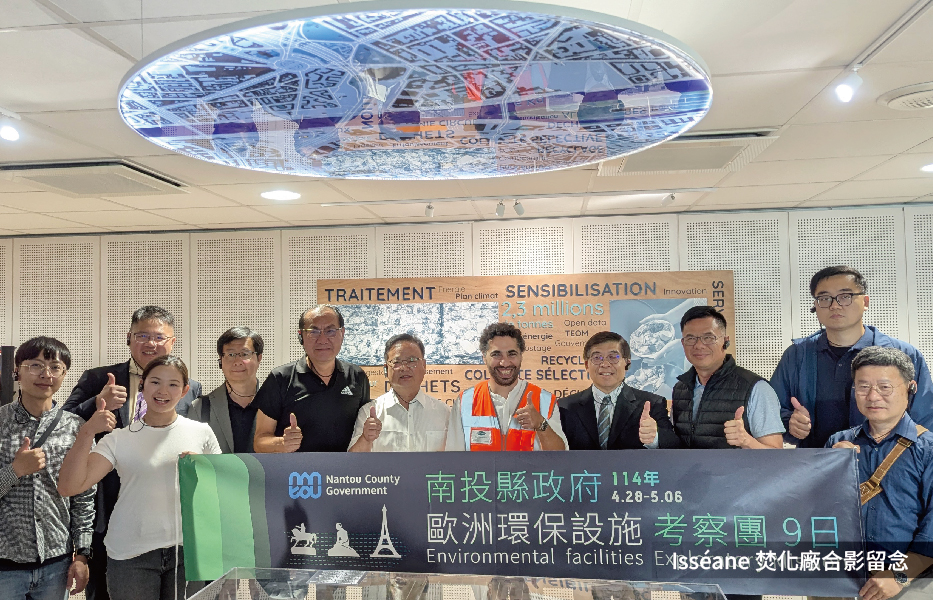
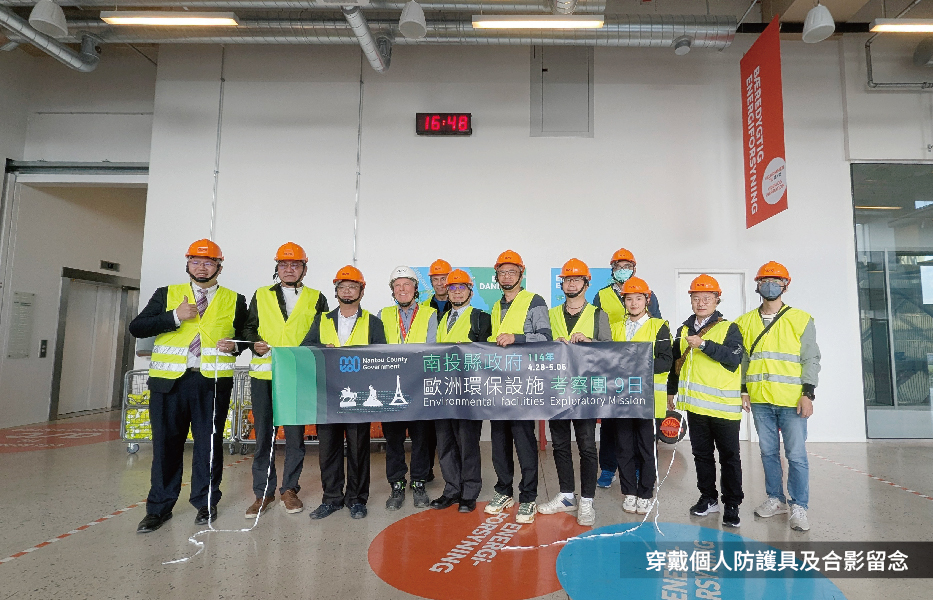
Given the urgent need to construct and operate an incineration plant, the county entrusted our Company to arrange a study tour for county officials and council members to Denmark and France. The purpose was to learn from and introduce advanced foreign incineration technologies and concepts to aid in the planning and design of Nantou's future plant.
 

In-depth Observations of Europe's Latest Incineration Technologies


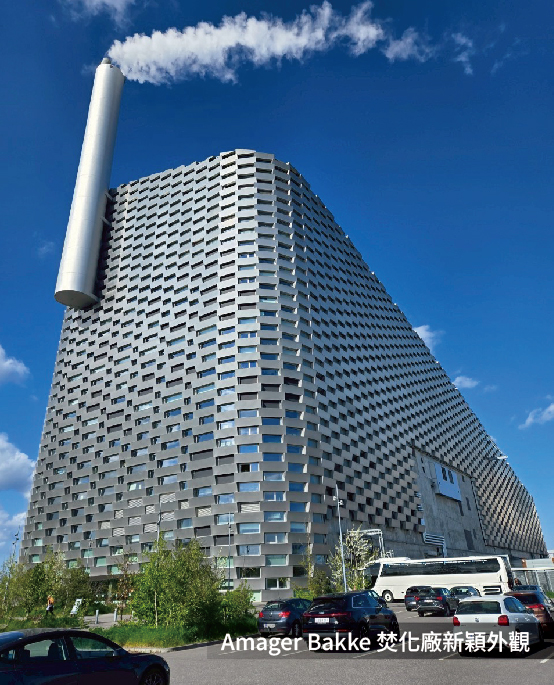
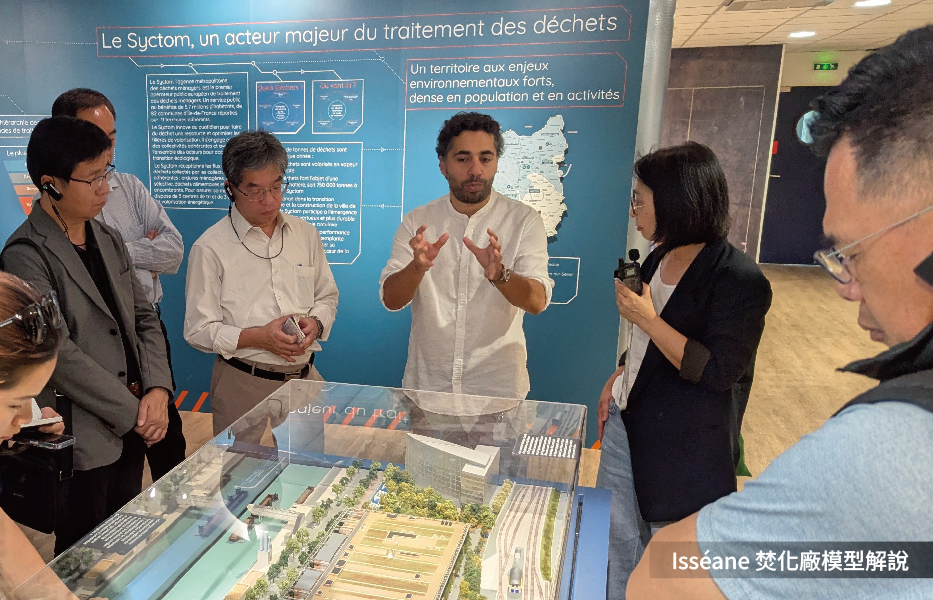
The study tour focused on two facilities: the Amager Bakke (also known as CopenHill) incineration plant in Copenhagen, Denmark, and the Isséane incineration plant in Issy-les-Moulineaux, a suburb of Paris, France. Both facilities are located in or near high-density urban areas and demonstrate excellent integration with their surroundings through architectural design, spatial planning, and landscaping. These facilities have effectively overcome the negative perceptions typically associated with traditional incineration plants by improving visual and environmental harmony with surrounding communities. Their planning and execution experience provide valuable references for Nantou’s waste treatment and renewable energy center.

Advanced Technology, Multifunctional Design, and Urban Integration


This international visit focused on two representative waste incineration facilities—Amager Bakke in Copenhagen, Denmark, and Isséane in Paris, France—to observe how European cities concretely implement waste management and environmental policies from multiple perspectives, including technological infrastructure, urban integration, and resource circulation.
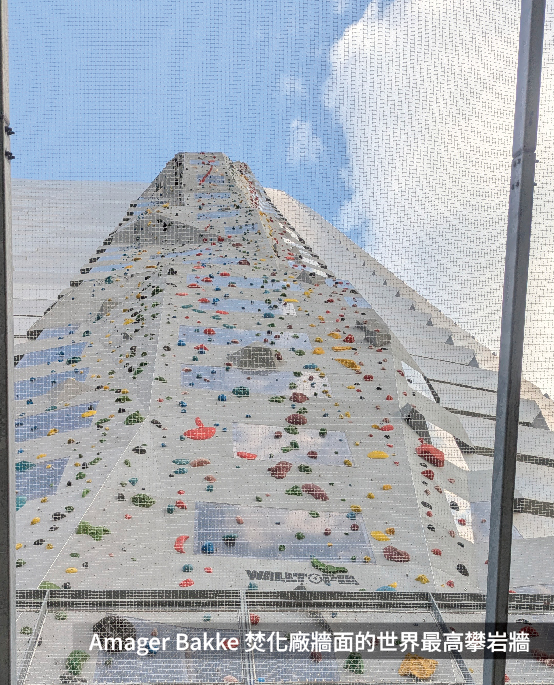
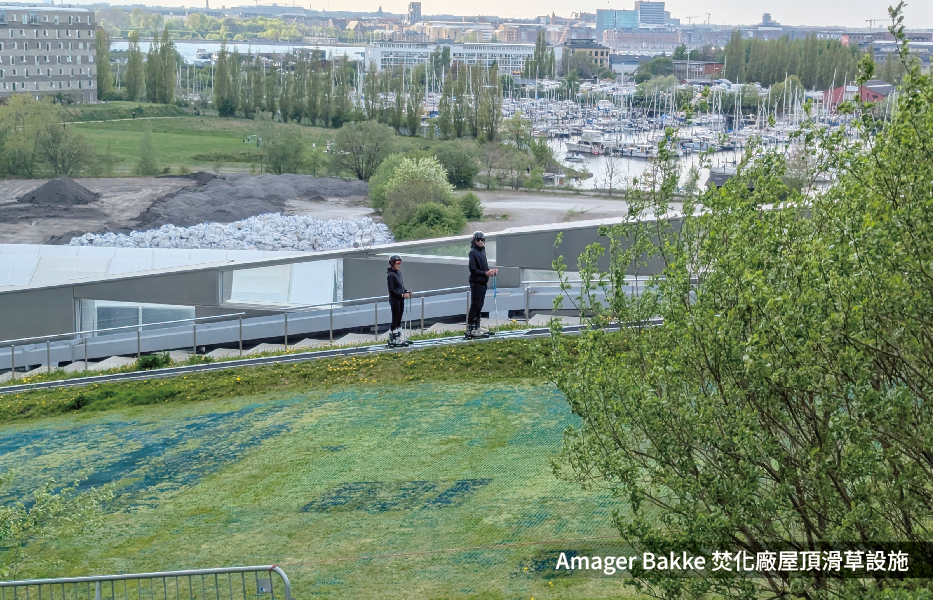
The Amager Bakke waste-to-energy plant stands out for its innovative integration of a ski slope with incineration infrastructure, breaking public stereotypes about traditional waste treatment facilities. This creative design successfully attracts public participation and enhances social acceptance, showcasing the positive impact that public infrastructure can achieve through imaginative architecture. The plant is also equipped with a high-standard flue gas treatment system, including technologies such as condensation scrubbers to improve thermal energy recovery efficiency, ensuring that emission concentrations remain well below regulatory limits.
The Isséane plant, on the other hand, exemplifies a high level of urban integration. To comply with Paris’s strict height regulations, the plant was designed with its main facilities located 31 meters underground, leaving only the ground-level structures for administrative and environmental education purposes—achieving harmonious coexistence with the urban environment. Its multi-stage dry flue gas treatment system, combined with a flue gas reheater, effectively reduces the visibility of water vapor from the chimney. The use of greenery and minimalist architectural design further establishes it as a model for seamless integration into the cityscape.
Back