The Yongkang Waste-to-Energy Plant in Tainan City is approaching the end of its 20-year operational period and now faces the need for major refurbishment. The Tainan Environmental Protection Bureau (TNEPB) has commissioned our company to implement the “Preliminary Planning Project for the Rehabilitation and Operation Transfer of the Yongkang Waste Resource Incineration Plant,” adopting the ROT model in accordance with the Act for Promotion of Private Participation in Infrastructure Projects.
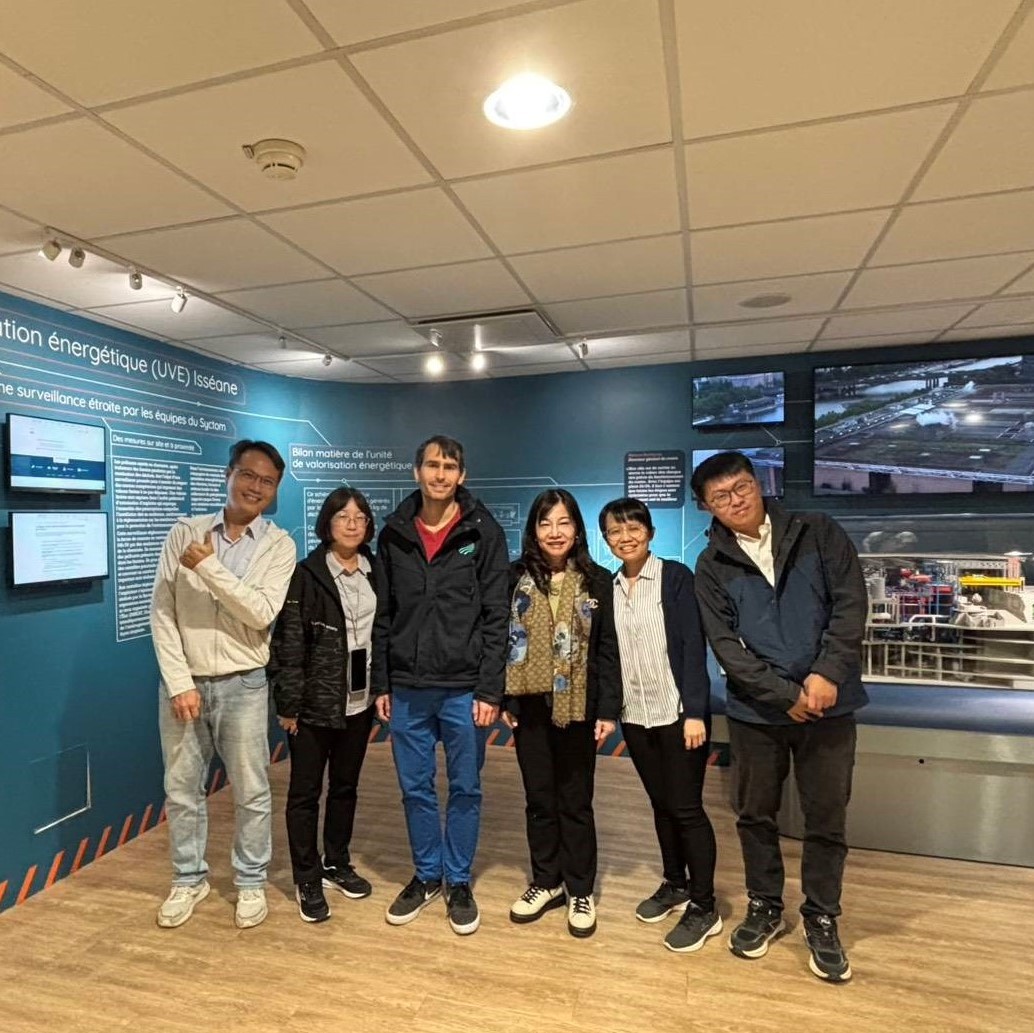
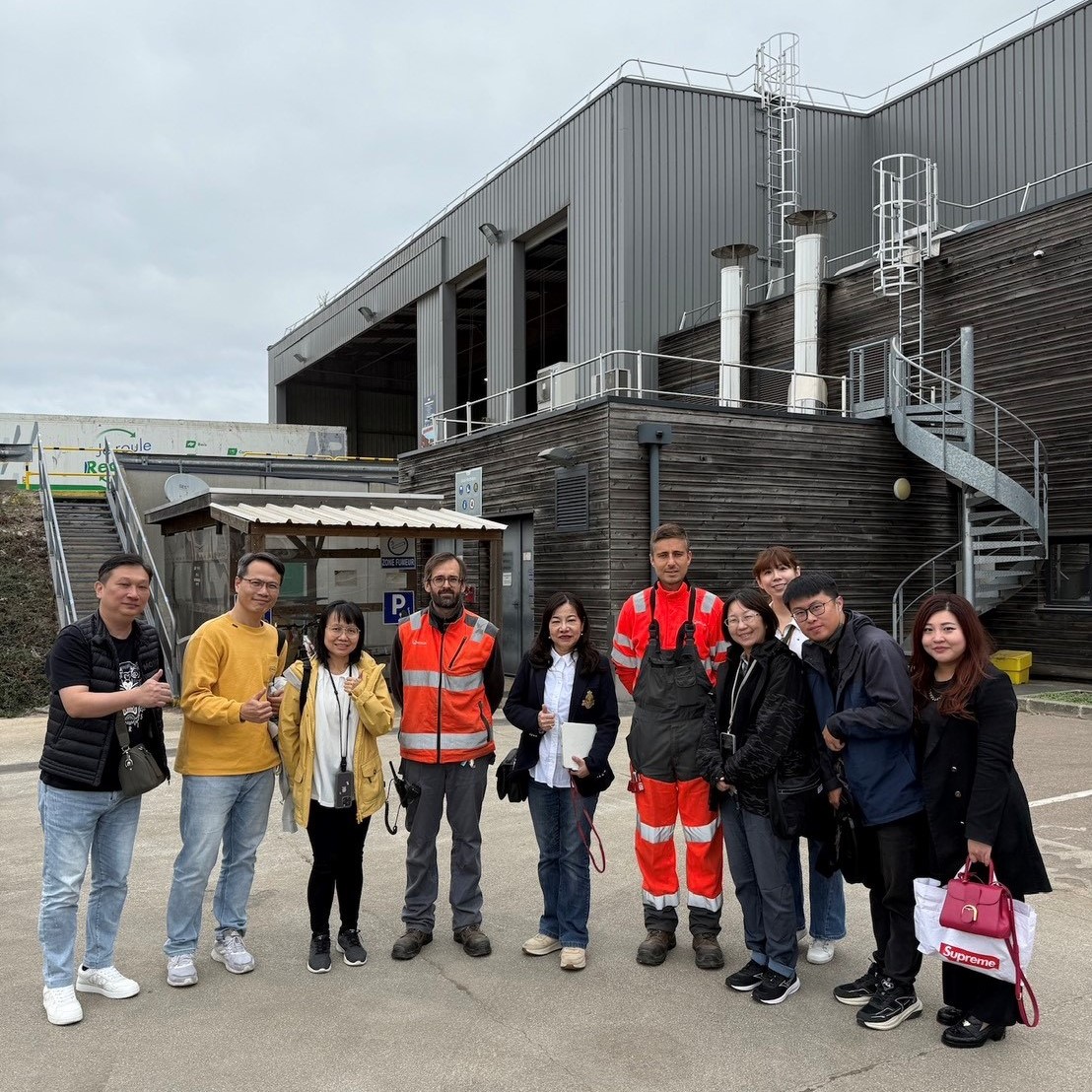
To gain insight into the latest international practices in incinerator refurbishment, the TNEPB entrusted our company to arrange a visit to France. Through on-site observation of advanced waste-treatment facilities and modern refurbishment approaches, the delegation aims to gather valuable references for shaping Tainan City’s future waste-management and facility-upgrade strategies.
In-Depth Review of Facilities and Processes that balances landscape integration with diversified treatment and resource circulation
The study group focused on three major facilities:
• Isséane Waste-to-Energy Plant in Issy-les-Moulineaux, Paris
• Vaux-le-Pénil Waste-to-Energy Plant
• Oissel SRF Plant
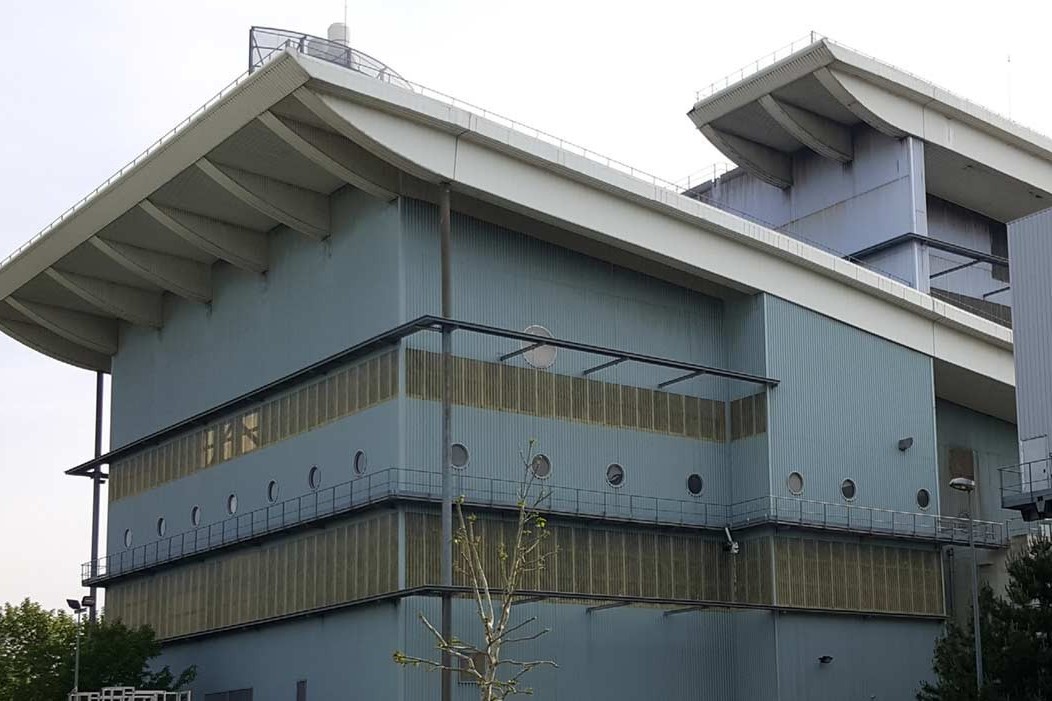
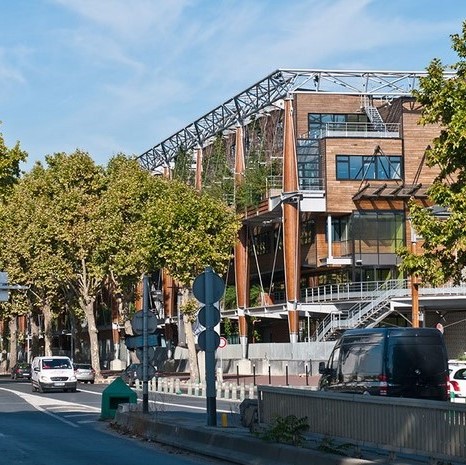
At the Isséane facility—located in the dense urban core of Issy-les-Moulineaux—the delegation observed how architectural design and landscape integration enable the plant to coexist harmoniously with the surrounding cityscape. Its design significantly reduces visual impact and improves community acceptance.
The Vaux-le-Pénil plant, which supplies both electricity and district heating, also incorporates a high-precision material-recovery facility. In addition to processing municipal solid waste, it handles recyclable wood, paper, and plastics. After 20 years of operation, the plant underwent refurbishment funded directly by the operator, with routine maintenance ensuring readiness for the next operational phase.
At the Oissel SRF plant, the team saw how waste wood and discarded furniture collected from the Normandy region are processed into new furniture or converted into heating fuel. Recovered paper is formed into bales and transported to nearby facilities for conversion into new cardboard products—exemplifying a functioning circular-economy system.
Paris’s refined waste-sorting practices, energy-recovery applications, and institutionalized management framework offer valuable insights for shaping Tainan City’s future waste-treatment policies and the development of related environmental and resource-recovery zones.