To advance Taiwan’s resource circularity and net-zero transition policies, the Resource Circulation Administration (RCA) of the Ministry of Environment has been actively promoting the recycling and reuse of inorganic recycled aggregates. Sinotech Engineering Services, LTD. was commissioned to plan and implement related strategies. In August 2024, Sinotech assisted the RCA in integrating domestic upstream, midstream, and downstream inorganic industry chains, along with experts, scholars, and industry associations, to establish the “Taiwan Inorganic Resources Circular Alliance” (hereinafter referred to as the Alliance).
The Alliance is guided by three core objectives: policy communication, technological transformation, and market activation. It focuses on the reuse and application of inorganic resources such as surplus construction soil and rock, incineration bottom ash aggregates, and slag. Through collaboration among government, industry, and academia—via technical exchange meetings, promotion of green labeling, and industry matchmaking mechanisms—the Alliance aims to enhance resource efficiency and reduce environmental impacts.
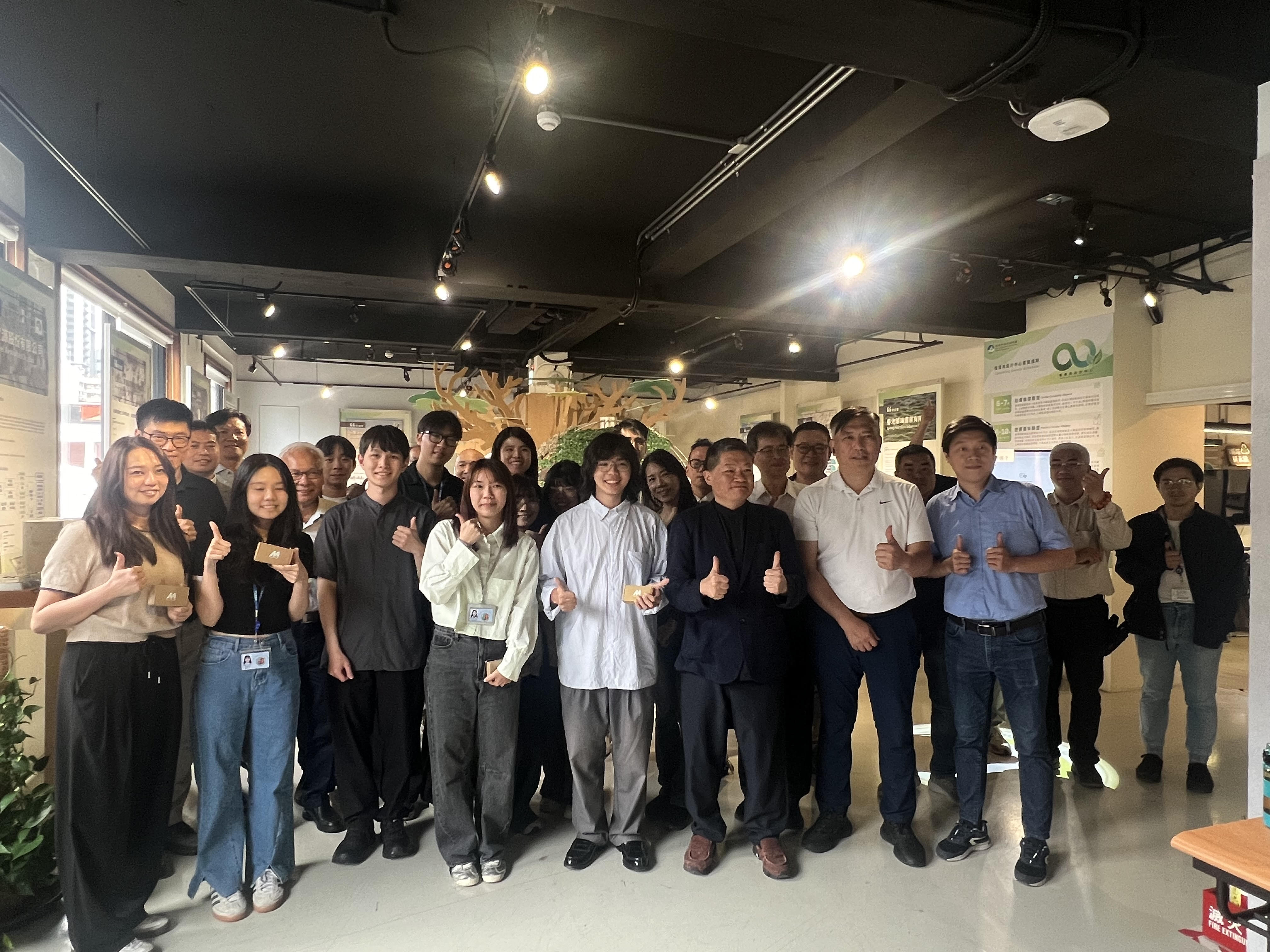
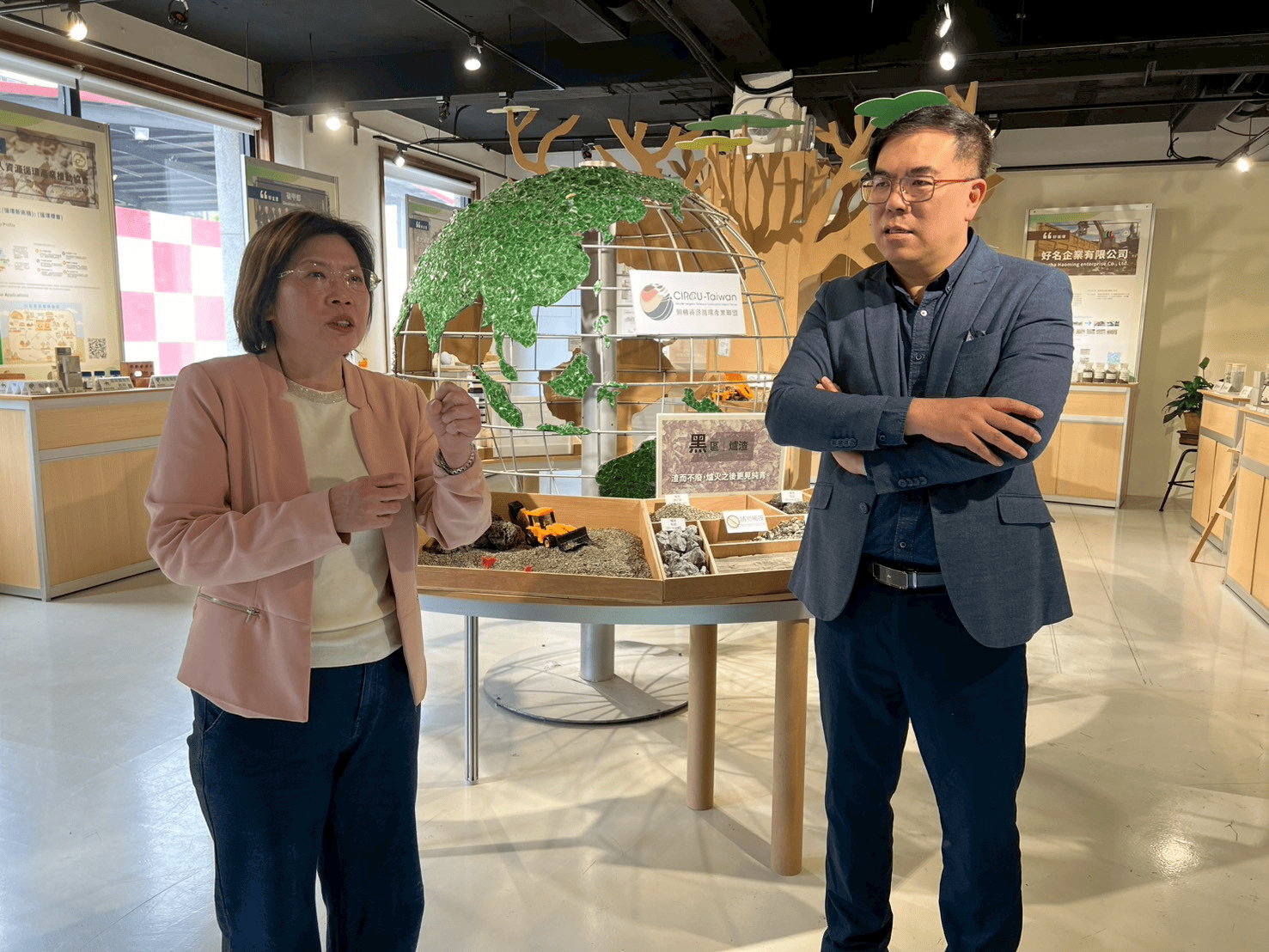
To showcase implementation outcomes and strengthen public engagement, the Alliance held the “Inorganic Resources Circular Redesign Exhibition” on March 3, 2026 to May 15,2026 at the Circular Redesign Center. Under the theme “Good Business, Good Circulation, Good Ideas—Creating New Opportunities,” the exhibition systematically presented Taiwan’s achievements and future directions in inorganic resource circularity. Through diverse exhibition formats—including thematic installations, display panels, multimedia presentations, and an online exhibition—the full lifecycle of inorganic resources—from generation and processing to reuse and final application—was comprehensively illustrated.
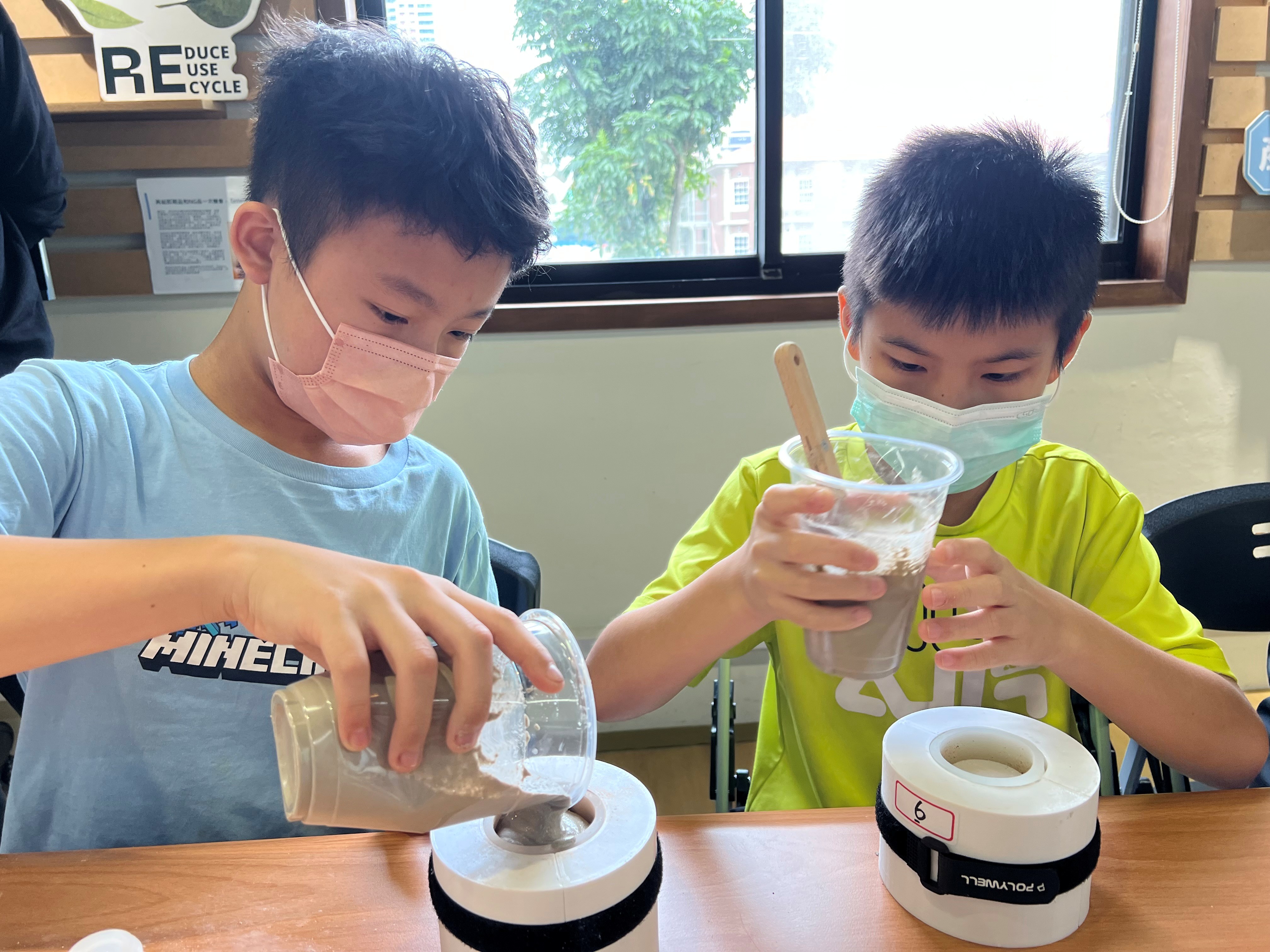
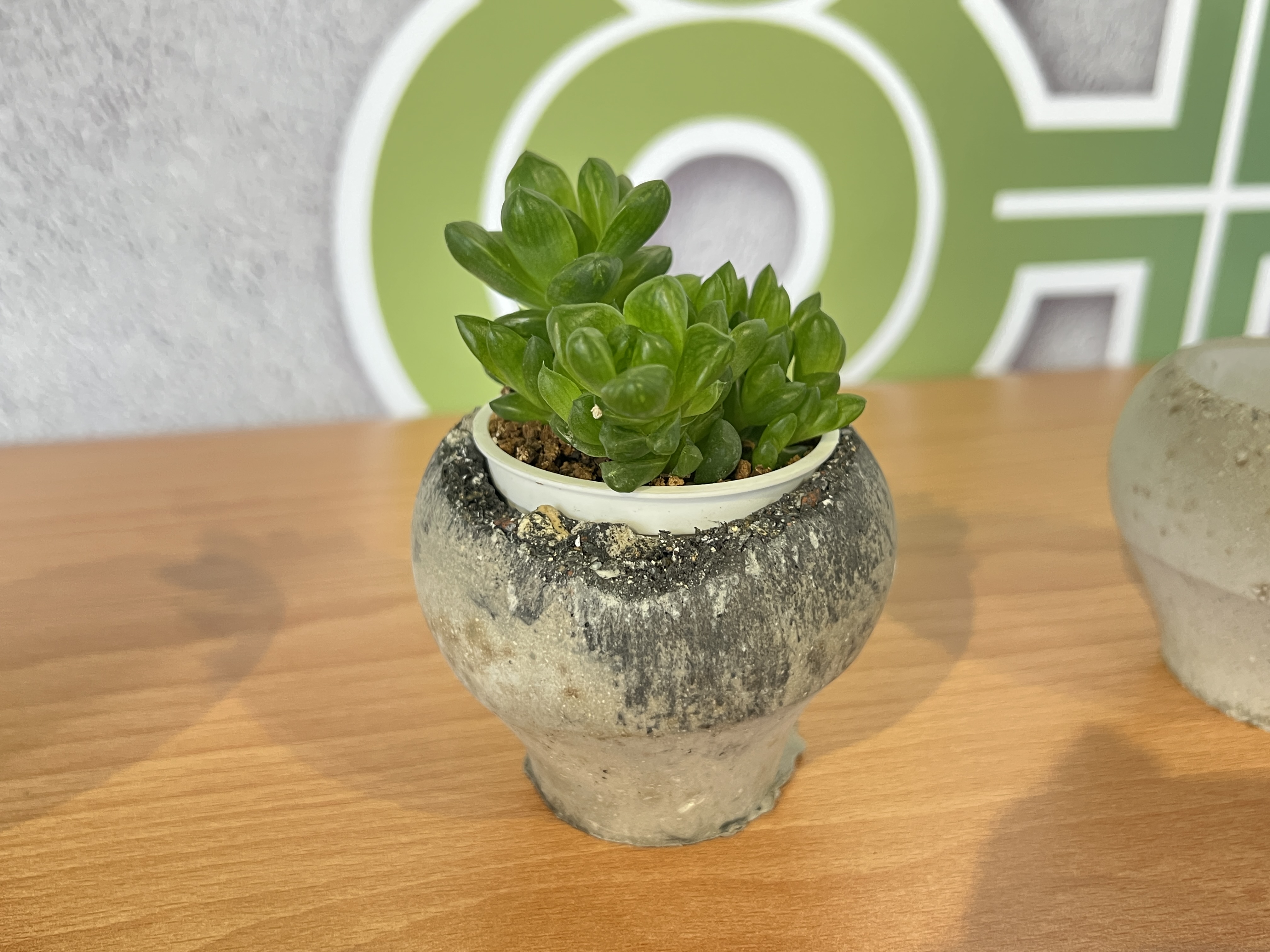
A hands-on workshop area was also featured, using inorganic by-products (such as stone slurry) as materials. Activities included mixing, molding, and demolding processes, allowing participants to directly experience how recycled materials are transformed into everyday products. This interactive approach enhanced public understanding and acceptance of inorganic resource products and circular economy practices.
Overall, the exhibition integrated static displays with interactive experiences, making the concept of a circular economy tangible, visible, and engaging. It aimed to raise public awareness and support for resource circularity,facilitate industry exchange and market development, and contribute to the ongoing pursuit of sustainable development and net-zero emissions.